Our Short List of 3
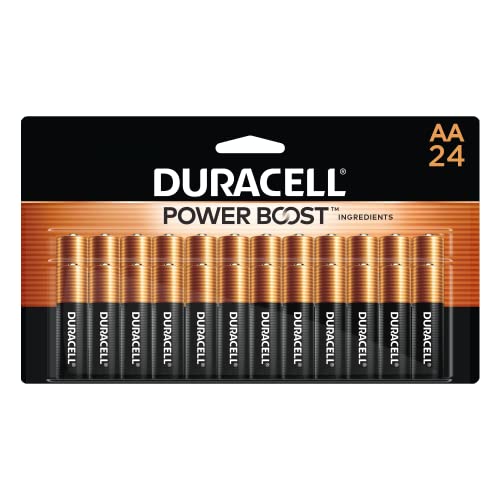
- Representative product: Duracell Coppertop AA Batteries, 24-count pack
- Chemistry: Alkaline
- Size covered here: AA, with Coppertop also made in AAA, C, D and 9V
- Voltage: 1.5 volts per cell
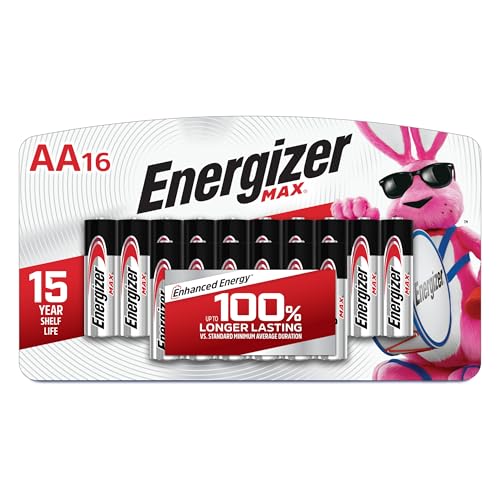
- Representative product: Energizer MAX AA Batteries, 16-count pack
- Chemistry: Alkaline
- Size covered here: AA, with MAX also made in AAA, C, D and 9V
- Voltage: 1.5 volts per cell
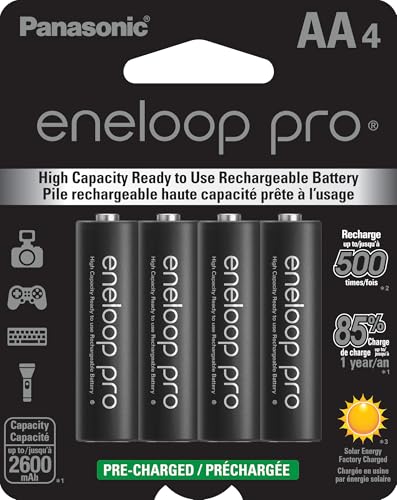
- Representative product: Panasonic eneloop pro AA High-Capacity Ni-MH Rechargeable Batteries, 4-pack, model BK-3HCCA4BA
- Chemistry: Nickel-metal hydride, rechargeable
- Size covered here: AA, with eneloop pro also made in AAA
- Capacity: Up to 2500 mAh typical, 2450 mAh minimum, per the manufacturer listing
All 4 Picks at a Glance
| Product | Specs | Action |
|---|---|---|
| 1. Duracell — Best All-Round Brand for Everyday Alkaline Cells |
| Check price on Amazon |
| 2. Energizer — Best Brand for High Drain, Cold and Long Storage |
| Check price on Amazon |
| 3. Panasonic — Best Brand for Rechargeable AA and AAA Cells |
| Check price on Amazon |
 4. Amazon Basics — Best Value Brand for Bulk Everyday Cells |
| Check price on Amazon |
Key takeaways
- Which battery brand is best for AA, AAA, C, D, 9V and rechargeable cells? Compare Duracell, Energizer, Panasonic eneloop and Amazon Basics by chemistry and use.
As an Amazon Associate we earn from qualifying purchases.
Affiliate Disclosure: This article contains affiliate links. If you buy through a link on this page, we may earn a commission at no additional cost to you. Product specifications are taken from manufacturer and retailer listings, and we have not personally tested these batteries.
Scope: What This Guide Means by the Best Battery Brand
“Best brand of batteries” is a broad search, so this guide states its scope plainly at the start. We are ranking brands of consumer household batteries: the AA, AAA, C, D and 9V cells you put in remotes, clocks, torches, toys, game controllers, smoke alarms and wireless accessories, plus the rechargeable AA and AAA cells that replace them. We are not ranking car battery brands, tool battery platforms, phone batteries or industrial cells in this article, because those are different products with different buying rules, and mixing them into one list would help nobody.
Within that consumer scope, there is no single brand that wins at every chemistry. The honest answer is that the best brand depends on which of three jobs you are hiring the battery to do. Alkaline cells are the default disposable choice for everyday devices. Lithium primary cells are the premium disposable choice for high-drain devices, cold conditions and long storage. Nickel-metal hydride rechargeables are the repeat-use choice for devices you feed constantly, such as game controllers and camera flashes. A brand can be excellent at one of those jobs and merely ordinary at another, so each pick below names a brand, names its representative product, and states the job that product is actually best at.
Each pick is a real consumer battery product from the brand being recommended, in a standard household size. We have kept the list to four brands, because those four cover the realistic buying decisions most households face, and because adding weaker brands just to lengthen the list would dilute advice that should stay usable.
The Four Brands, Ranked for Household Use
1. Duracell — Best All-Round Brand for Everyday Alkaline Cells
- Representative product: Duracell Coppertop AA Batteries, 24-count pack
- Chemistry: Alkaline
- Size covered here: AA, with Coppertop also made in AAA, C, D and 9V
- Voltage: 1.5 volts per cell
Duracell earns the top all-round spot on the strength of the Coppertop line, the battery most households mean when they ask for a dependable AA. The current Coppertop AA listing describes cells formulated with the brand’s Power Boost ingredients for lasting performance in everyday devices, and it carries a manufacturer guarantee of 12 years in storage. That storage guarantee is the detail that matters most for the way people actually use alkaline batteries: a pack lives in a drawer, gets opened for a remote or a clock, and the remaining cells may sit for years before they are needed. A brand that stands behind that drawer life is solving the real problem.
Duracell also has the widest familiar footprint across sizes. Coppertop covers AA, AAA, C, D and 9V, so a household can standardise on one brand across remotes, torches, toys and smoke alarms without hunting for different lines in different sizes. Its separate Optimum line targets higher-drain devices, and its rechargeable line exists for repeat-use devices, but Coppertop remains the sensible centre of the range and the product we would point a general buyer to first.
Where Duracell is not the automatic answer is in extreme conditions and in the very highest-drain use. Alkaline chemistry, whoever makes it, gives up capacity quickly in cold weather and under heavy continuous loads. If that is your use case, read the Energizer pick below before you buy a large pack of any alkaline brand, because chemistry will matter more than the name on the wrapper.
Buy Duracell if you want one trusted brand for the whole house, you value a long stated storage life, and your devices are the usual mix of low- and medium-drain household items. It is the lowest-regret choice in this guide.
2. Energizer — Best Brand for High Drain, Cold and Long Storage
- Representative product: Energizer MAX AA Batteries, 16-count pack
- Chemistry: Alkaline
- Size covered here: AA, with MAX also made in AAA, C, D and 9V
- Voltage: 1.5 volts per cell
Energizer is the brand we rank first when the device works the battery hard. Its range is deliberately split by job, which makes buying easier once you understand it. MAX is the mainstream alkaline line for everyday and moderately demanding devices, and the 16-count AA pack listed here is its representative product: a standard 1.5-volt alkaline AA from a manufacturer that publishes clear model numbers and pack configurations. Energizer also makes an Ultimate Lithium line in AA and AAA, which the brand positions as its longest-lasting AA option and which is widely recommended for digital cameras, outdoor devices and equipment stored for long periods or used in cold conditions, because lithium primary cells hold up far better than alkaline cells when temperatures fall and loads rise.
That two-line structure is exactly why Energizer takes this slot rather than the top all-round slot. For an ordinary remote control, MAX and Coppertop are close competitors and either will serve you well. For a trail camera sitting outside through winter, a high-drain torch, or an emergency kit you intend to forget about for years, Energizer’s lithium option gives the brand an edge that a purely alkaline range cannot match. Choosing the brand here really means choosing the chemistry first and the pack second.
Energizer also covers the rechargeable side with its Recharge lines, although for serious rechargeable use we rank Panasonic’s eneloop family ahead of it, as the next pick explains. And like Duracell, Energizer covers the full household size range across its lines, including 9V cells for smoke alarms, where using a fresh, dated cell from a major brand is a safety habit rather than a performance preference.
Buy Energizer if your hardest-working devices decide the purchase: cameras, game controllers in heavy use, outdoor equipment, cold-weather gear and emergency storage. Buy the MAX alkaline for ordinary devices and step up within the same brand to its lithium cells for the demanding ones, rather than expecting one alkaline pack to do both jobs equally well.
3. Panasonic — Best Brand for Rechargeable AA and AAA Cells
- Representative product: Panasonic eneloop pro AA High-Capacity Ni-MH Rechargeable Batteries, 4-pack, model BK-3HCCA4BA
- Chemistry: Nickel-metal hydride, rechargeable
- Size covered here: AA, with eneloop pro also made in AAA
- Capacity: Up to 2500 mAh typical, 2450 mAh minimum, per the manufacturer listing
If you go through batteries constantly, the best brand is not an alkaline brand at all. Panasonic’s eneloop family is the benchmark for rechargeable AA and AAA cells, and the eneloop pro version listed here is the high-capacity member of that family, aimed at devices that draw heavily and often: camera flashes, game controllers, wireless microphones, radio-controlled toys and busy household gadgets. The listing specifications are specific and checkable — up to 2500 mAh typical capacity, rechargeable up to 500 times, pre-charged at the factory and ready to use, and retaining up to 85 percent of its charge after a year unused. That low self-discharge behaviour is what separates modern eneloop cells from the rechargeables many people gave up on years ago, which would be flat by the time you reached for them.
The standard eneloop line, as distinct from eneloop pro, trades some capacity for a much higher number of recharge cycles, so within this one brand you still have a choice to make: pro for high-drain devices where runtime per charge matters most, standard for low-drain devices where total lifetime cycles matter more. Either way, you need a decent charger that charges cells individually, and you should keep rechargeables in matched sets for the same device rather than mixing old and new cells.
The honest trade-offs are voltage and upfront effort. A nickel-metal hydride cell delivers about 1.2 volts rather than the 1.5 volts of an alkaline cell, and a small number of devices are fussy about that difference. Rechargeables also only reward you if you actually recharge them; a household that loses chargers and forgets routines will get more value from a drawer of good alkaline cells. But for a household with a few genuinely hungry devices, a rotation of eneloop cells ends the cycle of buying and binning disposables for those devices, and Panasonic is the brand with the longest, most consistent track record of doing that job well.
Buy Panasonic eneloop if you have repeat-use, high-drain devices and are willing to run a simple charging routine. It is the only brand in this guide we recommend specifically for rechargeable cells, and in that category it is not a close call.
4. Amazon Basics — Best Value Brand for Bulk Everyday Cells
- Representative product: Amazon Basics 48-Pack AA Alkaline High-Performance Batteries
- Chemistry: Alkaline
- Size covered here: AA, with the line also made in AAA and other household sizes
- Voltage: 1.5 volts per cell
Amazon Basics is the value pick, and it earns its place by being honest about what it is: a high-volume alkaline pack for households that burn through AA cells in remotes, clocks, toys, wireless mice and keyboards, and would rather keep a large pack in the drawer than ration premium cells across trivial devices. The 48-pack AA listing states a 10-year shelf life and a capacity figure in line with mainstream alkaline AA cells, and independent roundups of household batteries regularly place this pack near the top on value for exactly that everyday use.
The realistic limits are just as clear. A bulk value cell is not where we would spend money for a smoke alarm you want to trust for years, a camera you rely on outdoors in winter, or any device where a leak or an early failure costs more than the battery saved. Alkaline cells from any brand can leak if left exhausted in a device, and the defence is the same for every brand in this guide: remove spent cells promptly, do not mix old and new cells, and do not leave batteries of any brand sitting in rarely used equipment for years.
Buy Amazon Basics if your household consumption is high and mostly low-drain, and keep a smaller pack of Duracell or Energizer cells reserved for the devices that matter most. That two-tier drawer — bulk cells for the trivial, premium cells for the important — is how most experienced households actually run their battery supply, and it is a better strategy than buying one brand for everything at either extreme of the range.
How to Choose a Brand Without Overthinking It
Start with the device, not the brand. Write down the hungriest device you own and the most important one. If they are the same device — a camera, a medical accessory, an alarm — buy for that device first and let the rest of the house share the choice. If your devices are all ordinary household items, the decision collapses to Duracell for maximum storage confidence, Energizer MAX as its closest mainstream rival, or Amazon Basics when volume is the whole point.
Match chemistry to conditions. Cold punishes alkaline cells, so outdoor and winter equipment deserves lithium primary cells. Constant use punishes your wallet and the waste bin, so constant-use devices deserve rechargeables. Intermittent, indoor, low-drain use is the home turf of alkaline cells, and there the major brands are closer to each other than their marketing suggests.
Check dates and storage claims when you buy, whatever the brand. Batteries are consumables with a clock running from manufacture, and a fresh pack from a good brand beats an old pack from the best brand. Store cells in a cool, dry place, in their packaging where practical, and keep them away from loose metal objects that can short the terminals.
Finally, be suspicious of unknown brands making extraordinary capacity claims for standard sizes. The established brands in this guide publish model numbers, storage guarantees and capacity figures that can be checked against their listings, and they have reputations that depend on those figures being broadly true. That accountability, more than any single test result, is what a brand name is actually buying you in a product as simple and as safety-relevant as a battery.
Safety Notes That Apply to Every Brand
Never mix brands, chemistries or old and new cells in the same device, because the weaker cell can be driven into leakage or reversal by the stronger ones. Never recharge a cell that is not marked rechargeable. Keep button and coin cells — made by several of these brands in sizes such as 2032 — well away from small children, for whom they are a serious swallowing hazard. Fit fresh batteries in smoke and carbon monoxide alarms on a regular schedule rather than waiting for a low-battery warning in the middle of the night, and dispose of used batteries through local collection or recycling routes rather than household waste where your area provides them.
Verification Note
Amazon US product pages for the ASINs in this article were attempted and returned access denied, so all four ASINs are recorded as candidates supported by indexed Amazon listing data — including pack size, model numbers and manufacturer claims quoted above — rather than as live-verified. Check the exact pack size and variant on the product page before you buy, because these brands sell the same cell in many pack counts under different listings. The duplicate-intent check against the site search for this keyword could not be completed with the tools available, so that check is recorded as incomplete in our notes rather than as evidence that no similar article exists.