Our Short List of 3


All 4 Picks at a Glance
| Product | Specs | Action |
|---|---|---|
| 1. SAVADECK Carbon Road Bike with Shimano Sora R3000 — best accessible carbon climber | Check price on Amazon | |
| 2. SAVADECK R08 Carbon Disc Road Bike — best for climbing and descending control | Check price on Amazon | |
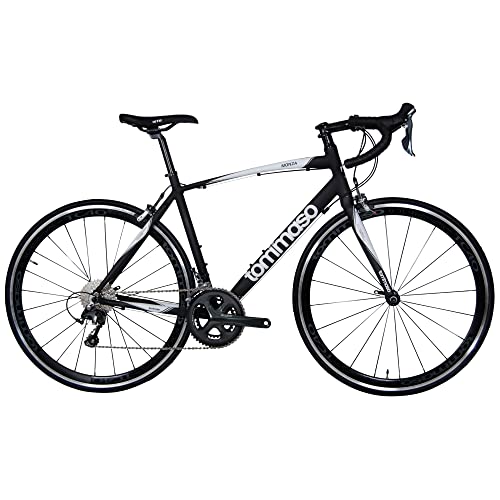
| 3. Tommaso Monza Endurance Aluminium Road Bike — best climbing gearing on an aluminium frame | Check price on Amazon | |
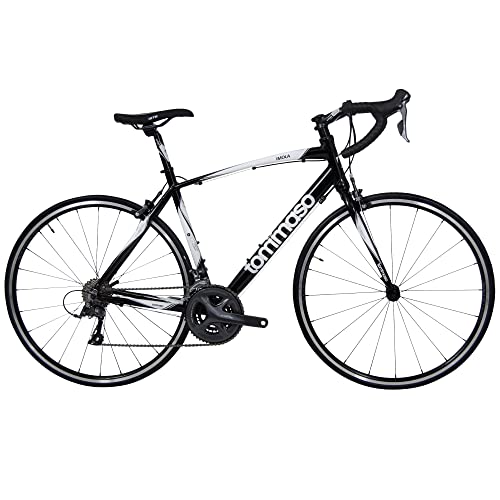 4. Tommaso Imola Aluminium Road Bike — best entry point for new climbers | Check price on Amazon |
Key takeaways
- Find the best bike for climbing: lightweight carbon and aluminium road bikes with compact cranks and wide cassettes, compared by weight, gearing and braking for steep grades.
As an Amazon Associate we earn from qualifying purchases.
Affiliate Disclosure: This article contains affiliate links. If you buy through a link on this page, we may earn a commission at no extra cost to you. Product names, specifications and availability are taken from the manufacturer and retailer listings cited for each pick, not from detailed research by us.
What actually makes a bike climb well
Climbing is the purest test of a road bike because gravity removes every hiding place. On flat ground, aerodynamics and momentum forgive a heavy frame and tall gearing. On a sustained grade, two things decide how the ride feels: how much total weight you are lifting against gravity, and whether the gearing lets you keep a comfortable cadence instead of grinding to a stall. The best bike for climbing is therefore not simply the lightest bike you can find, and it is not simply the bike with the most gears. It is the bike that combines a light, stiff frame with a genuinely low bottom gear, in a size that fits you, with brakes you trust on the descent that follows every climb.
Weight matters in a specific way. Frame material is the biggest lever available on complete bikes sold through mainstream retail channels. A full carbon frame and fork remove meaningful weight compared with an aluminium frame, and they can also be shaped for stiffness around the bottom bracket, where climbing power is applied when you stand on the pedals. Aluminium climbing bikes remain relevant because they are durable, they often carry the same sensible compact gearing, and a well-designed aluminium frame with a carbon fork is far better on a climb than a poorly geared carbon bike. Judge weight claims carefully: some listings publish a complete bike weight, others publish only a frame figure, and some publish nothing at all. Where a listing gives no weight, this guide says so rather than estimating one.
Gearing matters just as much. The classic climbing setup is a compact crankset with smaller chainrings paired with a wide-range cassette. A smaller inner chainring and a larger biggest rear cog produce a low gear that lets you spin up steep ramps while seated, saving your legs for the rest of the ride. When you compare the picks below, look at the combination, not the headline speed count: an 18-speed bike with a sensible compact setup can climb better than a bike with more speeds but taller gearing. Drivetrain brand and tier also affect shift quality under load, which matters when you need a lower gear halfway up a ramp rather than before it.
Fit and braking complete the picture. A climbing bike in the wrong size forces a cramped or overstretched position that wastes energy on long ascents, so use each maker’s size guidance against your height and inseam before ordering. And because every climb is followed by a descent, consider braking honestly: disc brakes offer consistent control in wet conditions and on long descents, while rim or V-brakes are simpler and lighter but demand more care when rims are wet or hot from sustained braking.
How we chose these climbing bikes
Every pick below is a complete road bike of the type a climbing rider would actually consider: drop-bar geometry, 700C wheels, a rigid fork, and gearing suited to paved grades. There are no mountain bikes, hybrids with flat bars, electric bikes or children’s bikes mixed in, because adding motor assistance or off-road weight changes the question entirely. Within that scope we favoured, in order, low published weight where a listing states it, carbon construction where it genuinely reduces weight, compact or otherwise climb-friendly gearing, and recognisable drivetrain components from Shimano’s road ranges, which make servicing and replacement parts straightforward.
A note on availability and assembly: complete bikes in this retail channel are commonly sold in specific sizes and colours under one listing, and size availability changes. Treat the size named in a listing as one variant, check the full size range on the live listing, and plan for assembly and a safety check. Many riders have a local shop complete the build or at least verify brakes, gears and torque before a first hilly ride. That step is part of buying a climbing bike well, not an optional extra.
The picks
1. SAVADECK Carbon Road Bike with Shimano Sora R3000 — best accessible carbon climber
The first pick is SAVADECK’s carbon fibre road bike built around a carbon frame and carbon fork with a Shimano Sora R3000 18-speed groupset. This is the formula that makes carbon climbing performance reachable without moving to a flagship build: a lightweight carbon chassis does the work against gravity, while the Sora drivetrain keeps the specification honest and serviceable. The listing describes the bike as an ultra-light racing bicycle for men and women, offered in several frame sizes, which matters because climbing efficiency depends on riding the correct size rather than adapting to whatever is in stock.
On a climb, this bike’s appeal is its balance. Carbon construction keeps the frame weight down and adds stiffness where you push against the pedals, and an 18-speed double drivetrain gives you a proper low gear for seated spinning as well as closer steps for rolling terrain. It will not match the electronic shifting or the lowest weights of professional climbing machines sold through specialist dealers, and this guide does not pretend otherwise. What it offers is the core climbing recipe — light carbon frame, road geometry, recognised Shimano gearing — in a complete bike that a progressing rider can buy, assemble and service without specialist knowledge.
Choose this SAVADECK if you are stepping up from an entry aluminium bike and want to feel the difference carbon makes on your regular climbs, or if you are buying your first serious road bike specifically for hilly routes. Confirm the exact size, colour and brake specification on the live listing before ordering, because SAVADECK sells several closely named carbon road models and the details differ between them.
2. SAVADECK R08 Carbon Disc Road Bike — best for climbing and descending control
The R08 takes the same basic idea — a carbon SAVADECK road frame with Shimano Sora R3000 gearing — and adds disc brakes, which changes the character of the bike on mountain routes. The R08 is described in comparative retail coverage as a carbon fibre road bike with an 18-speed disc setup, and that disc specification is the reason it earns its own place here rather than duplicating the pick above. Climbing gets you to the top; disc braking helps you come down long, steep or wet descents with more consistent lever feel and less concern about rim heat or wet-rim delay.
For riders whose climbing happens on real mountain roads rather than short dry hills, that trade is usually worth it. Disc systems can add a little weight compared with a rim-brake equivalent, but the weight penalty is small next to the confidence benefit on a ten-minute descent, and the carbon frame still keeps the complete package firmly in climbing territory. The Sora drivetrain remains a practical choice: wide parts availability, straightforward adjustment, and gearing that suits sustained grades better than a tall-geared racing setup would.
Choose the R08 if your routes pair long climbs with long descents, if you ride in changeable weather, or if you simply prefer disc braking and want it combined with a carbon climbing frame. As with the model above, verify the frame size and the exact current specification on the live listing, and budget for proper disc setup during assembly — disc brakes reward correct bedding-in and alignment.
3. Tommaso Monza Endurance Aluminium Road Bike — best climbing gearing on an aluminium frame
The Monza is the aluminium counterpoint to the carbon picks, and it earns its place on gearing. Tommaso builds the Monza around an aluminium frame with a carbon fork, and equips it with a Shimano Tiagra drivetrain built around a compact 50/34 tooth crankset paired with a wide cassette that provides a genuinely useful low gear for climbs. That combination is repeatedly singled out in retail coverage of climbing bikes for a reason: the low gear lets you keep turning the pedals on steep grades instead of forcing a slow, exhausting grind, and Tiagra sits a tier above entry groupsets in shift quality and durability.
The Monza also illustrates why headline weight is not everything. Its total weight is not consistently published across listings, so this guide does not quote a figure for it. What can be said from the specification is that an aluminium frame with a carbon fork is a proven, durable structure, the carbon fork helps absorb road vibration on long ascents, and the endurance positioning suits riders who spend hours in the saddle rather than contesting short hill sprints. For many riders, especially heavier riders or those new to steep terrain, the Monza’s low gear will save more time and energy on a real climb than a modest frame-weight saving would.
Choose the Monza if you want dependable climbing gearing, a frame material that shrugs off everyday knocks, and a bike suited to long hilly days rather than pure race geometry. Check the live listing carefully for the size currently offered, because availability for this model can be limited to particular sizes at a given time.
4. Tommaso Imola Aluminium Road Bike — best entry point for new climbers
The Imola is Tommaso’s more accessible endurance road bike: an aluminium frame with a Shimano Claris 24-speed drivetrain, sold in a range of sizes for men and women. Claris is Shimano’s entry road tier, and on a climbing bike that is not a dismissal. A triple-style wide range or a broad Claris gear spread, depending on the exact variant, gives new riders access to low gears, and the aluminium frame keeps the bike robust for training, commuting over hilly routes and first sportives. Retail coverage of endurance climbing bikes consistently treats the Imola as the value step into all-Shimano road gearing, and that is exactly the role it plays here.
New climbers often make two mistakes: buying gearing that is too tall, and buying a size that is nearly right. The Imola helps with the first by keeping the gearing approachable, and Tommaso’s size range helps with the second if you measure properly and follow the maker’s guidance. It is heavier and less refined than the carbon picks above, and its shifting under full climbing load will feel a step behind Tiagra or Sora. Those are honest trade-offs at the accessible end of the market, and they matter less than fit and gearing for a rider building climbing fitness.
Choose the Imola if you are new to road climbing and want a complete, serviceable bike to learn on, or if you want a durable training bike for hilly commuting that you are not afraid to use daily. Confirm the exact size, colour and drivetrain variant on the live listing before ordering, because the Imola has been sold in several model years and configurations under similar names.
How to choose among these four
Start with your descents, not your climbs. If your hills are short and your weather is usually dry, the lighter rim-brake style carbon SAVADECK or either Tommaso will serve you well. If your climbing involves long mountain descents or wet roads, the disc-braked R08 is the more complete mountain bike in the road sense of the term. Next, be honest about gearing: if you are building fitness, carrying extra weight, or facing genuinely steep ramps, prioritise the lowest available gear — the Monza’s compact setup is the clearest example here — over a small difference in frame weight. Finally, let fit decide between near-equal options. A correctly sized aluminium bike climbs better in practice than a wrongly sized carbon one, because position drives how sustainably you can produce power.
Also consider the total system, qualitatively. Your own mass, luggage, bottles and tools all climb with you, so chasing the final increment of frame lightness while carrying unnecessary kit is poor trade craft. Spend effort first on fit, gearing and tyres in good condition, then on frame material. And whatever you buy, have the gears indexed and the brakes checked before your first steep ride: a missed shift or a dragging brake costs more on a climb than any specification difference in this guide.
Setting up your climbing bike
Position matters on climbs because you will spend long periods seated, pedalling at a steady cadence. Set saddle height so your knee keeps a slight bend at the bottom of the stroke, and avoid slamming the saddle forward to feel closer to the bars; that usually reduces power and overloads your hands. Keep your cadence higher and your gear lower than instinct suggests on the first rides, and shift earlier rather than later — changing down before the grade bites is easier on the drivetrain and on your legs than forcing a shift at maximum load halfway up a ramp.
Practise descending on moderate grades first, especially if you are new to disc brakes or to a lighter carbon frame, which can feel more responsive in crosswinds. Brake before corners rather than in them, keep a relaxed grip, and check tyre pressure against the tyre maker’s guidance for your weight. None of this replaces a proper bike fit for riders with pain or injury history, but it covers the setup errors that most commonly spoil a first climbing bike.
Frequently asked questions
Is carbon always better than aluminium for climbing? No. Carbon usually offers a lighter, stiffer frame, which helps, but gearing, fit and total weight matter as much. A well-geared aluminium bike such as the Monza can be the better climbing choice for a rider who needs a lower bottom gear or a more durable frame.
What gearing should I look for on a climbing bike? Look for a compact crankset with a small inner chainring and a wide-range cassette with a large biggest cog. That combination produces the low gear that lets you spin up steep grades. Judge the combination, not just the total number of speeds.
Do I need disc brakes for climbing? You need them for descending, not for going up. Disc brakes give more consistent control on long or wet descents. If your routes are hilly rather than mountainous and mostly dry, rim or V-brakes remain workable, provided they are well maintained.
What size should I buy? Use the maker’s size chart with your height and inseam, and do not buy a size up or down just because it is the one in stock. Size availability on these listings changes, and a wrong-size climbing bike is a poor bargain at any specification.
Should I have the bike assembled by a shop? Complete bikes in this channel typically arrive partly assembled. A shop build or safety check covering brakes, gears, headset and wheel retention is strongly recommended before riding steep terrain.
Verdict
For most riders who want a climbing bike they can buy as a complete package, the SAVADECK carbon bike with Shimano Sora is the balanced first choice: light carbon construction and sensible gearing in one bike. Pick the SAVADECK R08 if your climbs come with long or wet descents and you want disc control, the Tommaso Monza if climbing gearing and aluminium durability matter most, and the Tommaso Imola if you are starting out and want an approachable, serviceable road bike for hilly routes. Whichever you choose, confirm the live listing’s size, stock and exact specification before ordering, and have the finished bike checked before your first steep ride.