Our Short List of 3
All 4 Picks at a Glance
| Product | Specs | Action |
|---|---|---|
 1. LAZER Tonic KinetiCore — the lightest published weight here | Check price on Amazon | |
 2. KASK Mojito3 — compact, airy, and very light | Check price on Amazon | |
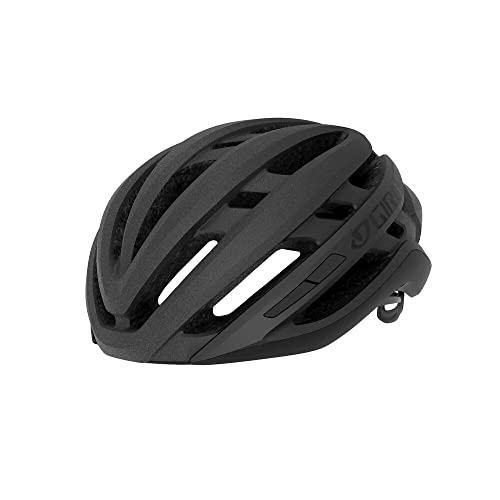 3. Giro Agilis MIPS — integrated MIPS with an all-day fit | Check price on Amazon | |
 4. Giro Syntax MIPS — slim profile for road and commuting | Check price on Amazon |
Key takeaways
- Find the best lightweight bike helmet with low published weights, rotational protection, strong ventilation and dial fit systems from Giro, Lazer and KASK.
As an Amazon Associate we earn from qualifying purchases.
Affiliate Disclosure: This article contains affiliate links. If you buy through a link on this page, we may earn a commission at no extra cost to you.
A heavy helmet rarely feels heavy in the shop. It feels heavy at minute forty of a climb, on the third ride of a hot week, and every time you turn your head to check traffic. Neck strain, a hot scalp, and a fit system that starts to press in one spot are the usual reasons a helmet that looked fine on paper ends up left at home. The best lightweight bike helmet solves that problem honestly: it keeps its published weight low, it still carries a recognised safety certification, it still offers some form of rotational-impact protection, and it ventilates well enough that you do not pay for the low weight with an overheated head.
This guide compares four lightweight helmets sold on Amazon US, all from established cycling brands and all built for road, gravel, or everyday riding rather than for downhill or full-face use. They take different routes to a low weight. One uses crumple zones moulded directly into the foam instead of a separate liner. Two use an integrated MIPS system paired with a highly adjustable retention dial. One reaches its low figure with a compact shell, gel-padded fit cradle, and a rotational test protocol of its own. Those differences matter more than a few grams on a spec sheet, so each pick below explains who it suits, who should look elsewhere, and what to check about sizing before you order.
We did not test these helmets ourselves. The weights, vent layouts, fit systems, and certifications described here come from the product listings and the manufacturers’ own published information. Check the exact size and colour listing before you buy, because weight and availability change by variant, and confirm that the helmet is still offered for sale at the time you order.
How we chose these lightweight helmets
Weight was the first filter, but it was never the only one. A helmet can be light because it is well engineered, or light because it leaves out the features that make a helmet comfortable and protective over a long ride. We looked for published weights that sit at the low end for adult road and commuter helmets, and then checked what each model keeps in return.
Rotational protection was the second filter. Straight impacts are only part of real crashes; many falls involve an angled blow that twists the head. MIPS uses a low-friction layer that allows a small amount of movement between the helmet and the head in certain angled impacts. Lazer’s KinetiCore takes a different approach, building collapsible structures into the EPS foam itself so there is no separate liner to add weight or friction. KASK uses its WG11 rotational impact protocol to evaluate its helmets against angled impacts. None of these systems makes a helmet invincible, and none replaces a correct fit, but a lightweight helmet that addresses rotation is a stronger pick than one that is light only because it ignores the question.
Fit and ventilation completed the picture. A dial retention system that adjusts tension, and in some cases height or tilt, lets a light helmet stay stable without being clamped tight. Generous venting with internal channeling matters because a light helmet worn on a hot climb still has to move air across the scalp. Finally, every pick here is an adult cycling helmet of the same general type as the search that brought you here. There are no motorcycle helmets, no children’s helmets, and no novelty shells in this list.
The picks at a glance
- LAZER Tonic KinetiCore — Best for riders who want the lowest published weight in this guide, with rotational protection built into the foam rather than added as a liner.
- KASK Mojito3 — Best for hot-weather road and gravel riders who want a compact, low-profile shell and a very light claimed weight.
- Giro Agilis MIPS — Best for all-day riders who want integrated MIPS and a fit system that adjusts both tension and tilt.
- Giro Syntax MIPS — Best for commuters and road riders who want a slim profile, deep venting, and integrated MIPS in a slightly more substantial shell.
1. LAZER Tonic KinetiCore — the lightest published weight here
The Tonic KinetiCore is the clearest expression of what this guide is about. Lazer publishes a weight of around 240 grams for a medium, which is strikingly low for a certified adult helmet with rotational protection. Lazer achieves it by removing a component rather than thinning the shell: KinetiCore replaces a separate slip-plane liner with a network of crumple zones moulded into the EPS foam. In an angled impact those structures are designed to deform and absorb rotational energy, and because they are part of the foam itself, there is no extra layer adding grams, bulk, or a slightly loose feel on the head.
The fit system is Lazer’s TurnSys dial, which adjusts tension around the head and allows the retention basket to sit at a comfortable height. Owners of long hair will also note the ponytail-friendly shaping at the rear that many lightweight road helmets forget. Ventilation comes from a generous vent layout tuned for road and fitness riding, and the helmet is designed to accept a rear LED accessory, which is a practical touch for riders whose light rides often finish at dusk. The Tonic carries CPSC certification for the US market and the European EN 1078 standard, according to the manufacturer’s published information.
Who should buy it: riders whose head measurement falls inside the Tonic’s size range and who put low weight first, especially climbers, hot-weather riders, and anyone who has given up on a heavier helmet because of neck discomfort. Who should be careful: riders at the very top of the size chart, because the largest size covers a narrower band than some rivals, and riders who specifically want a MIPS-branded liner rather than an alternative rotational system. Measure your head carefully, just above the eyebrows, and order the size your measurement actually falls into rather than the size you usually wear in other brands.
2. KASK Mojito3 — compact, airy, and very light
The Mojito3 has been a favourite lightweight road helmet for years, and the current version keeps the formula that made it popular: a compact shell that avoids the bulky, mushroom-like look of many helmets, an optimised vent system, and a claimed weight of about 230 grams in the manufacturer’s description of the model. That figure makes it, on paper, the lightest helmet in this guide, although direct comparison needs care because brands do not always weigh the same size or include the same padding when they publish a number.
Instead of MIPS, KASK puts the Mojito3 through its WG11 rotational impact test protocol, and the company states that the helmet surpasses the requirements of the European safety standard in its testing. Treat that as the manufacturer’s own claim about its own protocol rather than as a head-to-head verdict against MIPS helmets; what matters practically is that KASK has designed and tested this model with angled impacts in mind, rather than treating rotation as an afterthought.
The Octo Fit retention system is a genuine strength. A rubberised micro-dial adjusts tension, gel pads sit at the contact points to reduce pressure marks, and the cradle supports can move through a wide arc so the system conforms to different head shapes instead of forcing one shape onto everyone. The chin strap uses a soft synthetic leather that is comfortable against the skin on long, humid rides. Front, top, and rear vents are linked by internal channels intended to keep air moving at climbing speeds, not just at descending speeds.
Who should buy it: road and gravel riders in hot climates, riders who dislike bulky shells, and anyone who values a refined fit cradle. Who should look elsewhere: riders who want a visor for off-road use, riders who insist on a MIPS liner specifically, and riders whose size sits between KASK’s bands, because the fit of a compact shell is less forgiving of a wrong size. Check the size chart for the exact colour and size listing you choose.
3. Giro Agilis MIPS — integrated MIPS with an all-day fit
The Agilis MIPS takes a more conventional route to comfort: keep the helmet reasonably light, then make it disappear on the head through fit. Giro publishes a weight of around 300 grams for this model in independent helmet testing summaries, which is heavier than the Tonic and the Mojito3 but still on the lighter side for a feature-complete road helmet, and noticeably lighter than many recreational helmets. What you get for those extra grams is Giro’s Roc Loc 5 system in its integrated MIPS form, where the low-friction liner and the retention system are designed together. The dial adjusts tension, and the system also allows a small amount of fore-and-aft tilt adjustment, which helps if a helmet tends to sit too high on your forehead or press at the back of your skull.
Construction is a hardbody shell: a tough outer shell with a polycarbonate lower wrap permanently fused to the EPS liner. That lower wrap matters on a lightweight helmet because it protects the exposed foam edge that gets knocked in car boots, cafe stops, and hallway hooks, and damaged foam edges are a quiet way helmets age out early. Ventilation is handled by a large vent count with internal channeling that Giro tunes in its own wind tunnel work, and the Agilis is aimed squarely at road riders who spend hours, not minutes, in the saddle.
Fit notes are important here. The Agilis comes in a wide spread of sizes from small through extra large, covering a broader range of head circumferences than either pick above, which makes it the safer recommendation for riders with larger heads who still want a light helmet. Reflective elements add a small visibility benefit for early and late rides.
Who should buy it: endurance and all-day riders, larger-headed riders, and anyone who wants MIPS integrated with a proven dial system. Who should skip it: strict weight minimalists, who will feel the difference against the two lighter picks above on long climbs, and riders who want a visor or mountain-bike coverage, because this is a road shell with road coverage.
4. Giro Syntax MIPS — slim profile for road and commuting
The Syntax MIPS is Giro’s slim, slightly European-styled road helmet, and it earns its place here for riders who find very light helmets a little too minimal. Its published figures in retail listings put it a step heavier than the Agilis in some size and colour variants, so read the exact listing rather than assuming it is the lighter Giro; its appeal is the combination of a low, close profile, deeper coverage than a pure race shell, and the Roc Loc 5 Air MIPS system, which suspends the retention system to let more air pass over the head.
That airflow design is the Syntax’s best argument. Twenty-five vents, in the manufacturer’s description, work with internal channeling to move air at the low speeds of commuting and climbing, where helmets that rely on forward speed go quiet and hot. The in-mould construction fuses a polycarbonate shell to the EPS liner, with a hardbody lower wrap for durability, in the same spirit as the Agilis. The result is a helmet that looks tidy in an office bike room, works with ordinary clothes as well as with kit, and still carries MIPS rotational protection.
Who should buy it: commuters who ride in work clothes, road riders who run hot, and anyone who prefers a close, understated profile over a sculpted race look. Who should look elsewhere: riders chasing the absolute lowest weight, who should start with the Tonic or the Mojito3, and trail riders who need a visor and extended rear coverage, which are mountain-helmet features this road design does not offer.
What lightweight actually means on the road
Published helmet weights need honest handling. Brands weigh different sizes, sometimes without pads or straps fully accounted for, and a large will always weigh more than a small of the same model. Use the numbers in this guide as a ranking guide rather than as a promise about the exact helmet that arrives in your size. The practical differences are real, though. A gap of sixty or eighty grams is roughly the weight of a small energy bar sitting on top of your head for three hours; most riders feel that in their neck and in how often they adjust the helmet, even if they cannot feel a ten-gram difference.
Low weight also interacts with fit. A light helmet with a poor retention system will move on rough roads, and a moving helmet is both annoying and less protective, because protection assumes the helmet is in the position it was tested in. That is why every pick here has a proper dial retention system rather than a simple elastic or a fixed cradle. When you try a lightweight helmet, shake your head, look down, and look over each shoulder. It should stay put without the dial being wound to its tightest setting.
Finally, lightweight does not mean fragile in normal use, but EPS foam is a single-impact material in every helmet here. If a helmet takes a crash impact, replace it even if the shell looks unmarked, and replace any helmet whose foam edge is crumbling, whose straps are frayed, or whose retention dial no longer holds tension.
Ventilation, glasses, and everyday details
Light helmets earn their keep in summer, so look past vent counts to vent design. Internal channels that connect front intakes to rear exhausts keep air moving across the scalp at climbing speed. Storage for sunglasses is a small detail that becomes a big one on cafe stops: several of these models are shaped to hold eyewear arms in their front vents, but check the specific model, because port design varies. Ponytail compatibility, washable pads, and the availability of replacement pads all affect whether a light helmet stays pleasant in its second and third seasons, and replacement pads are far cheaper than a replacement helmet bought because the original smells beyond saving.
Visibility deserves a mention. A light-coloured shell is easier for drivers to see in low light and absorbs less heat in direct sun. If you ride at dawn or dusk, pair any of these helmets with a rear light; the Tonic’s LED-ready rear is the neatest integrated option in this group, but a strap-on light works with all of them.
How to get the fit right
Measure your head with a soft tape just above your eyebrows and ears, at the widest point, and use that measurement against the size chart of the specific brand, not against the size you wear in another brand. The helmet should sit level, low on the forehead, with about two fingers of space between the front edge and your eyebrows. The dial should be snug enough that the helmet does not rock, the side straps should meet just below each ear, and the chin strap should allow roughly one finger between strap and chin. A lightweight helmet that is one size too large will feel wonderfully light in the kitchen and dangerously loose in a crash, so never size up for comfort; change models instead, because head shapes differ and one of these four will suit an oval head better while another suits a rounder one.
Verdict
If lowest weight is the whole point, start with the LAZER Tonic KinetiCore and its foam-integrated rotational protection, or the KASK Mojito3 if its compact shape and Octo Fit cradle suit your head better. If you ride all day and value fit adjustment and a wide size range over the last few grams, the Giro Agilis MIPS is the balanced choice. If your riding mixes commuting and road miles and ventilation at low speed matters most, choose the Giro Syntax MIPS. Whichever you pick, confirm the size, colour, and current availability on the Amazon US listing before ordering, and replace any helmet after an impact.