Our Short List of 3
All 3 Picks at a Glance
| Product | Specs | Action |
|---|---|---|
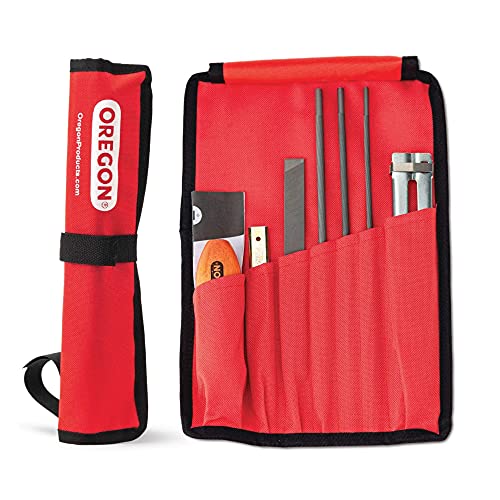 Oregon Universal Chainsaw Field Sharpening Kit | Check price on Amazon | |
 Hipa 12-Pack Chainsaw File Chainsaw Sharpener Kit | Check price on Amazon | |
 JONMON Chainsaw Sharpening Attachment Kit | Check price on Amazon |
Key takeaways
- Find the best cheap chainsaw sharpener for your saw. Compare five budget file kits, jigs and electric sharpeners that keep chains cutting clean.
A dull chain turns a quick cutting job into a slow, tiring chore. The saw vibrates more, the cut wanders, and fine dust replaces the clean chips a sharp chain throws. You do not need a workshop full of gear to fix that. A cheap chainsaw sharpener, used with a steady hand and the right file size, can bring a tired chain back to life in a few minutes, right where the saw stopped cutting well.
The good news is that sharpening gear sits at the budget end of the tool world. The best cheap options are simple: a set of round files with a guide, a clamp-on jig, or a small rotary tool with an angle attachment. Most of them cost less than a single replacement chain. This guide compares five budget sharpeners that cover the common chain sizes, explains how to match a sharpener to your chain, and flags the trade-offs that come with the lowest-cost tools.
As an Amazon Associate, we earn from qualifying purchases.
Quick Answer
For most homeowners, the Oregon Universal Field Sharpening Kit is the best cheap chainsaw sharpener because it covers the three common file sizes, includes a filing guide and depth-gauge tool, and packs into a pouch. If you want the lowest-cost way to sharpen one chain size, the EYSENC 2-in-1 sharpener is the simplest pick.
How to Choose
Start with your chain, not the sharpener. Every chainsaw chain has a pitch, and the pitch decides the file diameter. The three sizes you will meet most often are 5/32 inch, 3/16 inch, and 7/32 inch. A file that is too small will not reach the cutting edge, and a file that is too large will round the tooth over and dull it faster. Check the markings on your guide bar or the chain packaging, and match the file to the chain before you buy anything.
Think about where you sharpen. If you cut firewood far from the house, a manual file kit wins because it needs no power and fits in a pocket or tool bag. A filing guide matters here too: it holds the file at the correct angle so each tooth gets the same treatment, and it keeps a beginner from drifting off angle halfway around the chain. Kits that bundle several file sizes are the practical choice when more than one saw shares the shed, or when you are not sure which size your chain takes.
A jig or clamp-on sharpener suits anyone who struggles to hold a steady angle by hand. These tools clamp to the guide bar and guide the file or the grinding bit along the tooth. They are slower than freehand filing, but the results are more consistent, and that consistency is what keeps a chain cutting straight instead of pulling to one side. Drill-powered attachment kits are a middle ground: they use a tool you already own, spin a small grinding stone, and remove metal faster than a hand file, which helps when a chain has hit dirt or a nail.
Depth gauges deserve attention too. The small rakers in front of each cutter control how deeply the tooth bites. As cutters get shorter through repeated sharpening, the rakers need lowering with a flat file and a depth-gauge tool, or the chain will stop cutting no matter how sharp the teeth look. A kit that includes a depth-gauge tool and a flat file saves a second purchase and keeps the whole job in one pouch.
Build quality is the honest trade-off at this end of the market. Budget files wear faster than premium ones, plastic guides can flex, and a kit pouch may be thin. That is acceptable when the tool is used a few times a season. What matters is that the file sizes are correct, the guide holds its angle, and the kit includes everything needed for a full sharpening session. Buy the kit that matches your chain sizes, keep a spare round file on hand, and replace files when they stop biting cleanly.
Oregon Universal Chainsaw Field Sharpening Kit
The Oregon Universal Field Sharpening Kit is the most complete budget option in this guide, and the one that suits the widest range of saws. It covers the three round file sizes that fit nearly every homeowner chain, so one kit serves a small pruning saw and a larger firewood saw alike.
The kit holds three round files in 5/32 inch, 3/16 inch, and 7/32 inch sizes, plus a flat file for lowering depth gauges. A filing guide keeps each stroke at the correct angle, and a handle gives a comfortable grip during a full pass around the chain. Everything packs into a travel pouch that fits in a tool bag or glove box, which makes this the kit to carry into the woods rather than the one that lives on a bench.
In use, the routine is simple. Mark the shortest cutter, set the guide on the bar, and file each tooth with steady strokes in one direction. Flip the saw and repeat on the other side, then check the depth gauges with the flat file. The guide keeps the angle honest, and because the kit includes every common file size, there is no guessing about which file fits the chain in front of you.
The main limitation is that files are consumables. Round files lose their bite with use, and a heavily used file will polish rather than cut. Keep a spare set of the size you use most, and retire a file when strokes stop producing fine metal shavings. For a homeowner sharpening a few times a season, this kit is the best cheap chainsaw sharpener for general use, and the one we would hand to a first-time sharpener.
Wadoy Chainsaw Sharpener File Kit
The Wadoy Chainsaw Sharpener File Kit is a nine-piece set that covers the same ground as the Oregon kit with a few extra tools in the pouch. It is built for sharpening and filing chainsaws and other blades, and it is listed as compatible with Stihl chains as well as other common brands. For a buyer who wants one kit that handles several saws, it is a strong budget pick.
Inside the pouch you get three round files in 5/32 inch, 3/16 inch, and 7/32 inch sizes, a flat fine-tooth file, a filing guide, a depth-gauge tool, a hardwood handle, and a quick-check gauge. The filing guide aligns the file to the sharpening angle with engraved markings, and two clips hold the file steady while you work. The quick-check gauge helps confirm the depth-gauge setting, which is the step many beginners skip.
The hardwood handle is a nice touch at this price. It gives a solid grip and helps keep pressure even across the stroke, which matters when you are working through a full chain of cutters. The roll-up tool pouch keeps the pieces together in a truck box or shed drawer, and the flat file doubles for lowering rakers after several sharpenings.
The trade-off is brand familiarity. Wadoy is not a saw-chain brand with the history of Oregon, so long-term file durability is less proven. The kit is still a practical choice for occasional use, and the range of included tools means a beginner can complete a full sharpening session without buying extras.
Specs
| Feature | Detail |
|---|---|
| Brand | Wadoy |
| Kit type | Manual file kit, 9 pieces |
| Round files included | 5/32 inch, 3/16 inch, 7/32 inch |
| Flat file | Included |
| Filing guide | Included, with angle markings |
| Depth-gauge tool | Included |
| Quick-check gauge | Included |
| Handle | Hardwood handle included |
| Pouch | Roll-up tool pouch included |
| Power source | Manual, no power needed |
| ASIN | B07JNDSMX4 |
Hipa 12-Pack Chainsaw File Chainsaw Sharpener Kit
The Hipa 12-Pack Chainsaw File Kit takes a different approach: instead of one file in each size, it gives you a full dozen files and tools in a single high-visibility pouch. That makes it the best cheap chainsaw sharpener for anyone who sharpens often and goes through files, or for a household with several saws that share the same chain size.
The kit is built around 5/32 inch files, the size that fits many small and mid-size homeowner saws, and it packs twelve precision files and tools into a pouch that is easy to spot in a cluttered truck bed or shed. The idea is field readiness: grab the pouch, touch up the chain where the saw stopped cutting, and get back to work without a trip to the bench.
EYSENC 2-in-1 Chainsaw Sharpener
The EYSENC 2-in-1 Chainsaw Sharpener is the simplest tool in this guide, and the best cheap chainsaw sharpener for someone who owns one saw and wants the easiest possible sharpening routine. It is a compact handheld sharpener that fits 3/8 inch low-profile chain and uses a 5/32 inch, 4.0 mm file, the size that matches that common homeowner chain pitch.
The design keeps the process short. You fix the sharpener on the chain, follow the arrow marking to file in the right direction, and work through the cutters a few strokes at a time. Marking the first sharpened cutter helps you track your place around the chain so no tooth gets skipped. The tool is small enough to ride in a saw bag beside the gloves, and it needs no power, no setup, and no separate guide to keep track of.
That simplicity is also its limit. A single-size sharpener only fits the chain it was made for, so it is the wrong buy for a household with several saws on different pitches. It also handles routine touch-ups rather than heavy restoration: a chain that has hit rock or dirt still needs a full file-kit session or a new chain. Within its scope, though, the EYSENC is hard to beat for speed and ease.
For a first saw, a pruning saw, or a small electric saw that sees light work, this is the pick that keeps sharpening from feeling like a chore. Keep the file clean, store the tool dry, and it will keep a low-profile chain cutting cleanly through the season.
Specs
| Feature | Detail |
|---|---|
| Brand | EYSENC |
| Kit type | 2-in-1 handheld sharpener |
| Chain pitch | 3/8 inch low profile |
| File size | 5/32 inch, 4.0 mm |
| Guide markings | Arrow direction marking |
| Power source | Manual, no power needed |
| ASIN | B0C2ZJNS52 |
JONMON Chainsaw Sharpening Attachment Kit
The JONMON Chainsaw Sharpening Attachment Kit is the only powered option in this guide, and it works by turning a drill you already own into a chain sharpener. The eight-piece set pairs diamond burr grinding stones with a steel angle guide, so the drill spins the stone while the guide holds the sharpening angle steady.
The kit includes grinding stones in six sizes, which covers the common chain pitches, plus a wrench and the angle guide. Steel construction in the guide matters: it resists vibration better than plastic guides, and that steadiness shows in more even teeth. The stones cut faster than a hand file, which helps when a chain is badly dulled or has picked up damage from dirt and grit.
This approach suits a buyer who already owns a drill and wants faster sharpening without buying a dedicated electric sharpener. It also works beyond the saw: the same stones and guide can dress up mower blades and other garden edges, which makes the kit useful across the shed. Set the drill to a moderate speed, let the stone do the work, and avoid pressing hard, since grinding stones remove metal quickly and a heavy hand can overheat a tooth.
The trade-off is control. A spinning stone removes metal faster than a file, so a careless pass can take off more than intended. Take light passes, check the tooth often, and keep the guide seated firmly. For the price of a hand-file kit, this attachment adds real speed to the job, and for a chain that needs more than a light touch-up, that speed is worth having.
Who Should Skip It
A budget sharpener is not the right buy for everyone. If you run a saw all day for a living, or you sharpen chains every day, the files in these kits will wear out fast and the guides will show their limits. A professional sharpener or a bench grinder built for daily use is the better investment for that workload, and it will pay for itself in time saved.
Skip the cheapest kits if you cannot confirm your chain size. Buying a single-size sharpener for the wrong pitch wastes money and can damage teeth. Measure the chain, read the guide bar markings, or check the chain packaging first. If the size is still unclear, choose a multi-size kit such as the Oregon or Wadoy set, which covers the three common sizes in one pouch.
Anyone with a chain that has broken teeth, cracked links, or cutters worn down to stubs should skip sharpening altogether and fit a new chain. No budget tool restores a chain past its safe service life, and a damaged chain is a safety risk, not a sharpening project. Likewise, if the guide bar is worn or the chain stretches unevenly, a sharpener will not fix the underlying problem.
Finally, skip drill-powered attachments if you tend to rush a job. A spinning grinding stone removes metal quickly, and a heavy hand can overheat a tooth and soften its edge. A manual file kit is slower but far more forgiving, and for occasional use it is the safer way to learn.
FAQ
What size file does my chainsaw chain need?
Match the file to the chain pitch. The common pairings are a 5/32 inch file for 3/8 inch low-profile chain, a 3/16 inch file for 0.325 inch pitch chain, and a 7/32 inch file for standard 3/8 inch and 0.404 inch pitch chain. Check the markings on your guide bar or chain packaging, and use a multi-size kit if you are unsure.
How often should I sharpen my chainsaw chain?
Sharpen the chain when it stops throwing clean chips and starts making fine dust, when the saw needs pushing to cut, or when the cut drifts to one side. For most homeowners that means a touch-up every few tanks of fuel, or after any contact with dirt, rock, or a nail.
Can a cheap sharpener damage my chain?
A cheap sharpener can damage a chain if the file size is wrong or the angle drifts, since a wrong-size file rounds the cutting edge instead of sharpening it. Use the correct file size, follow the guide markings, file in one direction only, and take light, even strokes on every tooth.
Do I need to lower the depth gauges when I sharpen?
Yes, after several sharpenings the cutters get shorter while the depth gauges stay the same height, so the chain stops biting. Use a flat file with a depth-gauge tool to lower the rakers a little at a time, and check the setting with the gauge rather than guessing.
Final Verdict
The best cheap chainsaw sharpener for most people is the Oregon Universal Field Sharpening Kit, because it covers the three common file sizes, includes a guide and a depth-gauge flat file, and packs into a pouch that goes wherever the saw goes. It is the kit that handles a mixed fleet and teaches good sharpening habits at the same time.
If you want the most tools for the money, the Wadoy nine-piece kit is the value pick. If you sharpen one 5/32 inch chain often, the Hipa twelve-piece kit keeps fresh files on hand. For a single small saw, the EYSENC 2-in-1 is the easiest tool to pick up and use. And if you want speed and already own a drill, the JONMON attachment kit grinds a dull chain back faster than any hand file.
Product and ASIN Reference
| Product | ASIN |
|---|---|
| Oregon Universal Chainsaw Field Sharpening Kit | B084XV4TGX |
| Wadoy Chainsaw Sharpener File Kit | B07JNDSMX4 |
| Hipa 12-Pack Chainsaw File Chainsaw Sharpener Kit | B0C1T2761Y |
| EYSENC 2-in-1 Chainsaw Sharpener | B0C2ZJNS52 |
| JONMON Chainsaw Sharpening Attachment Kit | B095W8XQJ1 |